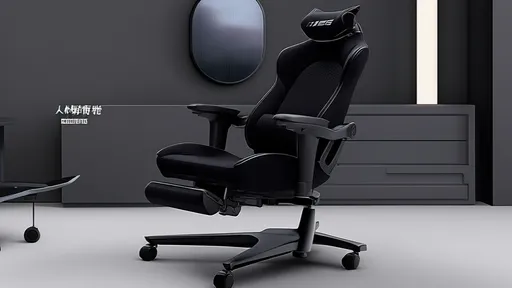
The gaming chair industry has seen exponential growth over the past decade, driven by the rising popularity of esports and prolonged gaming sessions. One critical aspect that has garnered significant attention is lumbar support, a feature designed to mitigate the strain on the lower back during extended periods of sitting. As gamers and professionals alike spend hours seated, the demand for ergonomic solutions has never been higher. This report delves into the latest data on lumbar support in gaming chairs, examining its effectiveness, technological advancements, and user feedback.
The Science Behind Lumbar Support
Lumbar support is not just a marketing buzzword; it’s a scientifically backed necessity for maintaining spinal health. The human spine has a natural curve in the lower back, known as the lumbar lordosis. Prolonged sitting without proper support can lead to slouching, which flattens this curve and places undue stress on the intervertebral discs. Over time, this can result in chronic pain, herniated discs, or even long-term postural issues. Gaming chairs with dedicated lumbar support aim to replicate the spine’s natural alignment, reducing the risk of these complications.
Recent studies have shown that adjustable lumbar support is far more effective than fixed designs. Gamers come in all shapes and sizes, and a one-size-fits-all approach simply doesn’t work. Chairs with customizable lumbar pillows or built-in mechanisms allow users to fine-tune the support to their specific needs. Data from ergonomic research indicates that chairs with dynamic lumbar support can reduce lower back pressure by up to 40% compared to traditional office chairs.
Technological Innovations in Lumbar Support
The gaming chair market has evolved from basic cushioning to sophisticated ergonomic systems. One notable advancement is the integration of memory foam lumbar pillows. Unlike standard foam, memory foam conforms to the user’s body shape, providing personalized support that adapts over time. Some high-end models even feature heated lumbar support, which can help relax muscles and improve blood circulation during long gaming marathons.
Another breakthrough is the use of AI-driven posture correction. A handful of premium gaming chairs now come equipped with sensors that monitor sitting posture in real-time. If the system detects slouching or improper alignment, it gently vibrates or adjusts the lumbar support to prompt the user to correct their posture. Early adopters of this technology report a significant reduction in back pain and improved overall comfort during extended use.
User Feedback and Market Trends
Consumer reviews and surveys reveal a growing preference for chairs with robust lumbar support. Gamers, streamers, and remote workers consistently rank lumbar adjustability as a top priority when purchasing a new chair. Data from a 2023 market analysis shows that chairs with advanced lumbar features command a 25% higher price point but also enjoy a 30% higher satisfaction rate compared to budget models with minimal support.
However, not all feedback is positive. Some users complain that certain lumbar mechanisms are too rigid or difficult to adjust mid-session. This highlights the importance of balancing innovation with usability. Brands that manage to strike this equilibrium are seeing a surge in repeat customers and word-of-mouth recommendations.
The Future of Lumbar Support in Gaming Chairs
As the line between gaming and work continues to blur, the demand for high-performance ergonomic chairs will only intensify. Manufacturers are already experimenting with biometric feedback systems that can tailor lumbar support dynamically based on the user’s stress levels and muscle tension. Such innovations could revolutionize the way we think about seated comfort.
In conclusion, lumbar support is no longer an optional extra but a fundamental feature of modern gaming chairs. With advancements in materials science, AI, and user-centric design, the future looks promising for gamers and professionals seeking to protect their spinal health without sacrificing style or performance.

By /Aug 15, 2025
By /Aug 15, 2025
By /Aug 15, 2025
By /Aug 15, 2025
By /Aug 15, 2025

By /Aug 15, 2025
By /Aug 15, 2025

By /Aug 15, 2025

By /Aug 15, 2025

By /Aug 15, 2025

By /Aug 15, 2025

By /Aug 15, 2025

By /Aug 15, 2025

By /Aug 15, 2025

By /Aug 15, 2025

By /Aug 15, 2025

By /Aug 15, 2025

By /Aug 15, 2025

By /Aug 15, 2025

By /Aug 15, 2025
